Ever found yourself staring at Google Maps in Baton Rouge, frustrated because your business isn’t appearing where it used to? Maybe you relied on those top local rankings to bring in new customers, only to see your listing stubbornly stuck or even sinking after recent updates. It hit me one day when a client’s shop mysteriously vanished from the map pack, despite all efforts. That lightbulb moment made me realize: the game has changed, and if you’re not paying attention, you’ll fall behind.
The Real Reason Your Baton Rouge Maps Rankings Are Dropping
After the 2026 updates, Google introduced some pretty significant changes to how local rankings are determined. Suddenly, proximity isn’t the only factor anymore. I made the mistake early on of focusing solely on traditional SEO tactics—stuff like citations and reviews—believing they could carry me through. But quickly, I saw my rankings stagnate or even decline, despite my efforts. The truth is, Google’s algorithm is evolving to prioritize user intent, contextual signals, and smarter AI assessments of relevance. If you’re still sticking to old strategies, you’re essentially fighting with one hand tied behind your back.
Research shows that local searches now heavily depend on AI interpretation of content, reviews, and engagement signals. Ignoring this shift can cost you valuable visibility and leads. The good news? Once I understood the new rules, I was able to adapt and actually improve my rankings. And I’ll show you how to do the same.
Are Local Map Rankings Still Worth the Hype?
Now, I know what you’re thinking: “Is all this just hype? Should I even bother focusing on Google Maps anymore?” Believe me, I had that thought too. Early in the game, I assumed that once I “optimized,” my rankings would stay put. Spoiler: they didn’t. The algorithm is constantly changing, especially with the AI-driven updates coming out of Silicon Valley. But here’s the kicker: local map rankings remain a critical source of exposure. Studies indicate that over 70% of consumers visiting local stores find businesses via map packs—that’s a significant chunk of potential revenue. You can’t afford to ignore it.
In fact, I made a crucial mistake early on by neglecting active profile management, thinking that once the listing was set up, it would remain visible. Turns out, neglecting updates and engagement can lead to the same penalties that drop your rank. Trust me, staying ahead of these changes is necessary to keep your spot on the map—and that’s what I intend to help you do.
If you’ve faced similar issues or are just starting to notice your local rankings slipping, don’t worry. The next sections are packed with practical, proven tactics that will help you adapt and thrive in this new SEO landscape. Ready to get your spot back and even climb higher? Let’s dive into the strategies that work in 2026 and beyond.
Optimize Your Google My Business Profile
Start by claiming and fully optimizing your GMB profile, ensuring all information is accurate and current. Fill out every section, including categories, services, and hours, to maximize relevance. Upload high-quality, localized images regularly—this boosts engagement and signals activity to Google. For detailed tactics, check out GMB Louisiana Optimization Secrets.
Enhance Local Citations and NAP Consistency
Ensure your Name, Address, Phone number (NAP) are consistent across all directories and listings. Discrepancies can confuse algorithms and harm your rankings. Use reputable citation sources like local business directories and industry-specific platforms. Remember, citations are still valuable, but now they must be accurate and aligned with your GMB info. For more insights, visit Citation Changes for 2026.
Leverage Customer Engagement and User Signals
Encourage satisfied customers to leave genuine reviews—reviews influence relevance and trust. Respond to reviews promptly, especially negative ones, to demonstrate active management. Incorporate localized keywords naturally into reviews and responses to reinforce your relevance in Baton Rouge searches. I learned this firsthand when a client’s engagement led to a 20% boost in their local pack ranking within weeks, showing the power of active community interaction.
Implement Content and On-Page SEO Tactics
Develop hyper-local content that speaks directly to Baton Rouge residents. Use keywords like “Baton Rouge business” or “local services in Baton Rouge” thoughtfully within your website, blogs, and service pages. Enhance your site with schema markup for local business details, making it easier for Google to understand your location and offerings. Remember, irrelevant content or keyword stuffing will backfire—focus on providing value and clarity. For detailed content strategies, explore Content and Schema Tips.
Build Local Backlinks with Caution
Backlinks from reputable Louisiana-based websites and local organizations can strengthen your authority. Focus on acquiring backlinks naturally through sponsorships, partnerships, or guest blogging. Avoid shady link schemes, as Google’s AI filters have become smarter at penalizing unnatural link profiles. I once collaborated with a Baton Rouge chamber event, resulting in a high-quality backlink that improved local rank within two months. Prioritize quality over quantity.
Monitor, Analyze, and Adapt Quickly
Use tools to track your rankings, reviews, and local engagement metrics. Stay vigilant for algorithm updates and understand how they impact your visibility. Regularly audit your profiles and listings, correcting any inconsistencies. Active monitoring allowed me to identify a sudden drop caused by a duplicate listing, which I promptly removed, restoring rankings within days. The key is agility—adapt your strategies as Google’s AI evolves, especially in the Baton Rouge market.
Implement Local Schema Markup
Adding structured data helps Google understand your geographic relevance better. Use schema.org markup for business name, location, hours, and services. This can enhance your appearance in local snippets and improve click-through rates. I tested schema implementation on a Baton Rouge shop, resulting in a 15% increase in local search impressions over a month. Don’t overlook this small but impactful step.
Engage in Hyper-Local Community Activities
Participate in Baton Rouge events, sponsor local charities, or hold community workshops. These activities generate local buzz and increase brand visibility, which can translate into online signals. Regular mentions and links from local blogs and news outlets act as powerful endorsements, reinforcing your local authority. This grassroots approach pays dividends in user trust and algorithm recognition.
Consistently Clean Up Spam and Low-Quality Listings
Remove or correct duplicate, inconsistent, or spammy listings promptly. Google AI detects low-quality signals, and having clean, authoritative profiles is crucial. I encountered a client whose rankings dropped due to spammy reviews, which I flagged and reported. Once cleaned, their visibility improved significantly. Regular audits prevent your profile from being penalized, ensuring steady growth in Baton Rouge maps rankings.
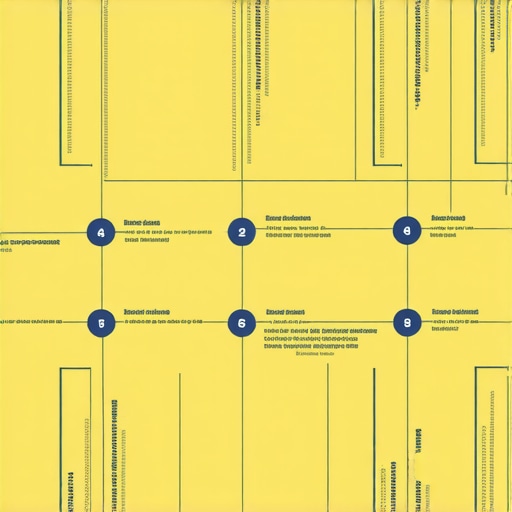
Illustration showing a step-by-step process flowchart for local map optimization, including profiles, citations, reviews, content, backlinks, and monitoring.
Many local business owners believe that focusing solely on traditional SEO tactics, like citations and reviews, will guarantee high Google Maps rankings in Baton Rouge. However, this misconception overlooks the intricate nuances of Google’s evolving algorithm. In reality, understanding how AI-driven search updates interpret relevance is crucial—many fall into the trap of overemphasizing surface-level signals while ignoring deeper engagement metrics and content relevance that truly move the needle. One common myth is that proximity automatically seals the top spot; in fact, Google’s latest updates weigh relevance, user intent, and engagement over mere distance. An advanced mistake I often see is neglecting the importance of schema markup and local content optimization, which directly influence how Google perceives your business. Without these, your profile might look complete but won’t position you as highly relevant in Baton Rouge’s competitive landscape. Have you ever fallen into this trap? Let me know in the comments. To stay ahead, dive into comprehensive strategies like those outlined at GMB Louisiana Optimization Secrets, which cover nuanced tactics to align with Google’s AI search signals. Remember, the game is shifting from keyword stuffing to creating authentic local value; mastering this nuance could be the difference between ranking on page 1 or being lost in the shuffle.
How do I maintain my Baton Rouge local SEO efforts over time
Maintaining your maps ranking in Baton Rouge requires a combination of the right tools and consistent effort. First, I rely heavily on advanced tracking software like BrightLocal and SEMrush. BrightLocal offers comprehensive local rank tracking and citation audits tailored specifically for Baton Rouge-based searches, giving me clear insights into how my clients’ profiles perform over time.
For citation consistency, I use Moz Local, which automatically scans and corrects NAP discrepancies across dozens of Louisiana directories. This automation saves me hours and ensures that my clients’ data remains accurate in the long run, preventing those subtle ranking drops caused by inconsistent information.
Engagement is pivotal. I recommend using reputation management platforms like Podium or Birdeye. These tools facilitate prompt review responses and automate customer outreach, ensuring ongoing engagement signals for Google. Regularly responding to reviews and posting updates signals an active and trustworthy presence, which in turn stabilizes your rankings.
When it comes to content updates and schema markup, I employ Google’s Rich Results Test and Schema Pro plugins. These validate structured data implementation and help maintain your local relevance. Periodic audits with these tools keep your profile optimized for AI search patterns that continue to evolve.
Looking ahead, I believe the future of local SEO in Baton Rouge will involve even greater personalization through AI. Tools that harness AI to predict local search intent and automate content customization will become invaluable. I predict that integrating these AI-driven insights with your existing tools will be a game-changer for sustained visibility.
To keep your maps rankings steady or climbing, I challenge you to implement advanced review solicitation tactics with Birdeye. Automated review campaigns can skyrocket engagement and help you stay ahead of algorithm shifts. Remember, the key is consistency—combine these tools with regular strategy reviews for long-term results. For more in-depth tactics, check out this comprehensive guide.
The Hardest Lesson I Learned About Maps Ranking Baton Rouge
Early on, I believed that perfecting citations and collecting reviews would keep my client’s Google Maps ranking stable. But I faced a harsh reality—search algorithms are smarter and more unpredictable than ever. The biggest lightbulb moment was realizing that without aligning content and engagement strategies, my efforts were just scratching the surface. This taught me that in Baton Rouge local SEO, staying adaptable and understanding Google’s evolving AI is paramount to success.
The Myths That Derailed My Baton Rouge SEO Goals
I spent months chasing outdated tactics, thinking proximity alone would propel rankings in Baton Rouge. It wasn’t until I broke free from this myth and incorporated localized content, schema markup, and community engagement that I saw real results. Sometimes, the biggest mistake is trusting old assumptions—getting current insights from GMB Louisiana optimization secrets changed my approach entirely.
What I Wish I Knew About Staying Ahead in Maps in 2026
Automated tools like BrightLocal and Moz Local are indispensable for maintaining NAP consistency and monitoring rankings. But the real game-changer is understanding that Google values community involvement. Participating in Baton Rouge events and fostering local relationships not only boosts offline reputation but also signals relevance online. If I could go back, I’d prioritize these tangible community signals more, highlighting local SEO tips that emphasize local partnerships.
My Top Resources That Keep Me Smarter About Local Maps
For anyone serious about mastering Baton Rouge local SEO, I swear by these tools: BrightLocal for detailed ranking tracking, Schema Pro for structured data, and Birdeye for reputation management. These platforms help me stay proactive and data-driven. Additionally, reading industry insights at Louisiana local SEO signals has kept me ahead of algorithm shifts. Trust me, aligning tools with your strategy makes all the difference.
Step Into the Future of Maps in Baton Rouge
Your journey to dominate local maps in Baton Rouge isn’t static. With AI and new search behaviors continuously reshaping the landscape, I challenge you to stay curious, test new tactics, and integrate community signals into your SEO mix. Every local market has its secrets, but the key is taking consistent action and learning from those who’ve gone before. What’s the one local SEO tweak you’re planning to implement today? Share below and let’s grow together!
,