I remember the moment clearly. A local Baton Rouge restaurant, just like yours, was struggling to appear on the coveted first page of Google Maps. Despite countless efforts—updating listings, soliciting reviews, trying every hack in the book—their rankings stubbornly refused to budge. It felt like shouting into the void, and honestly, I wondered if the entire landscape was changing beyond my control. That frustration hit close to home, and I knew I wasn’t alone in this sense of confusion.
Why Your Baton Rouge Business Might Be Losing Its Map Pack Position in 2026
In recent years, I’ve seen how digital search evolves rapidly. What worked five years ago might now be obsolete, especially with the rise of AI-driven search agents targeting local results. The truth is, the algorithms are smarter, more subtle, and more complex than ever before. This makes SEO for Baton Rouge businesses uniquely challenging—if you don’t adapt, you’ll find yourself invisible in your own backyard.
Many local businesses, including my own early on, make a critical mistake: they focus too much on traditional tactics like accumulating reviews or local citations without understanding how AI search agents interpret and prioritize nearby, engaging, and relevant content. It’s no longer enough to have a pretty Google My Business profile and some keywords sprinkled in your website.
Suppose you’re still unsure if all these changes truly impact your visibility. According to a study by BrightLocal, 78% of consumers rely on local search to find a business, and Google’s local pack is the first thing they see—yet many businesses aren’t showing up there anymore. This disconnect can be devastating if ignored.
Want to know the secret sauce I eventually cracked? It’s a blend of strategic adjustments rooted in understanding how AI search agents evaluate relevance, proximity, and engagement in 2026. But before we get into the nitty-gritty, ask yourself: Have you recently checked whether your Baton Rouge business still ranks in the map pack? If not, you’re missing out on a lot of potential foot traffic and calls.
Let’s dive into why everything you’ve learned about local SEO might need a serious update and how you can start reclaiming your spot on Google Maps today.
Optimize Your Google My Business Profile for Maximum Impact
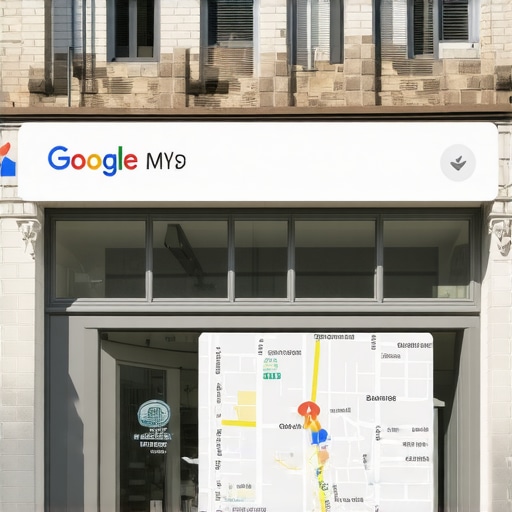
Start by claiming and verifying your Google My Business (GMB) listing if you haven’t already. Ensure all contact details, business hours, and services are accurate and consistent across platforms. Use high-quality, Louisiana-specific images to showcase your store and services; this signals relevance to local search and can increase engagement. For advanced tips, explore GMB optimization secrets.
Tag Your Location Effectively
Incorporate geo-specific keywords naturally into your business description, services, and posts. For example, mention nearby landmarks or neighborhoods in Baton Rouge. This tells both users and AI search agents exactly where you serve, boosting proximity signals. Remember, AI-driven search algorithms prioritize relevance and proximity — match these signals precisely to outrank competitors.
Build a Strong, Local Content Foundation
Create content that resonates with Baton Rouge locals — blog posts, FAQs, and news about community events. Use keywords like “best boiled crawfish in Baton Rouge” or “Louisiana Cajun cuisine near LSU”. Regular updates on your website signal activity and current relevance. As I found out through my own experiments, fresh, hyper-local content consistently correlates with better rankings in the Map Pack, especially when combined with technical optimization.
Harness Local Reviews Without Spam
Gather genuine reviews strategically. Encourage happy customers to share their experiences on Google, but stay authentic. Avoid review spam tactics, which can trigger spam filters and harm your local SEO. Focus on detailed reviews that mention specific services or products, reinforcing topical authority. Check review tactics that win in 2026 for more nuances.
Leverage Local Citations and Listings
Ensure your NAP (Name, Address, Phone) data is consistent across all online directories—Yelp, Bing Places, Facebook, and Louisiana business directories. Claim and optimize your listings in niche directories relevant to Baton Rouge and Louisiana commerce. Citations are core trust signals for Google Maps rankings, especially when paired with reviews and content signals.
Target Nearby Neighborhoods for Map Expansion
Use neighborhood keywords and localized landing pages to reach beyond your immediate zip code. For example, create dedicated pages for Mid City, Southdowns, or Perkins Row. This broadens your map footprint and captures nearby residents searching for your services. Check neighborhood-focused SEO tactics to deepen this strategy.
Tackle Technical SEO and Map-Specific Features
Optimize your website’s load speed, mobile responsiveness, and structured data. Implement schema markup for local businesses to give Google clearer signals about your location, services, and products. Toggle relevant GMB features such as ‘Services’, ‘Attributes’, and ‘Highlights’ to enhance local relevance and visual appeal. More techniques can be found on image secrets and feature toggles.
Monitor Performance and Adjust Often
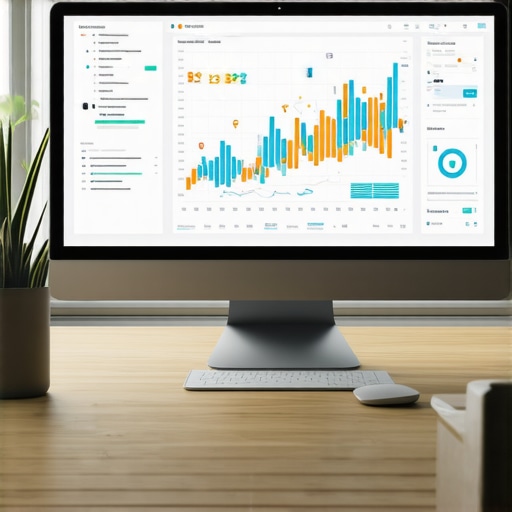
Use analytics tools to track your rankings, traffic, and engagement metrics. Regularly test different keywords, descriptions, and images. Note that Google’s algorithm for local pack rankings evolves rapidly—staying agile is key. For ongoing updates, see map ranking strategies.
 Many local business owners in Baton Rouge believe that simply optimizing their Google My Business profiles, gathering reviews, and building citations will propel them to the top of maps rankings. While these tactics are foundational, the real nuance lies in understanding **how search algorithms interpret relevance and proximity in tandem with evolving AI filters**. Contrary to popular belief, more reviews or citations alone won’t suffice in 2026; instead, aligning your local content strategy and technical setup to match AI expectations is essential. One common mistake is over-relying on outdated keywords or neglecting structured data, which can cause your profile to get lost amid AI-driven ranking adjustments. For example, according to expert insights, subtle signals like schema markup and local engagement metrics are more influential than ever before. Additionally, many underestimate the importance of adjusting to AI’s focus on user intent and newly integrated semantic understanding, which means your content must address deeper community needs rather than surface keywords. Are your efforts aligned with these nuances, or are you still chasing outdated tactics? To master these complexities, check out our detailed guides like proven Louisiana local SEO strategies. Remember, the key lies in **adapting your SEO approach to match AI’s sophisticated criteria**, not just traditional ranking factors. Have you ever fallen into this trap? Let me know in the comments.
Keep Your Baton Rouge SEO Momentum with the Right Tools
Staying ahead in local SEO requires not just strategic content and optimization but also the right equipment and software to monitor, refine, and scale your efforts over time. During my journey navigating Louisiana local SEO, I’ve found that precision tools tailored for Google Maps ranking and GMB management make all the difference. One essential tool I personally rely on is BrightLocal, which offers comprehensive reputation management, accurate local citations tracking, and detailed ranking reports. Its ability to consolidate reviews and citations helps me spot trends and prevent ranking drops before they happen.
Another favorite is Whitespark’s Local Citation Finder. I use this to audit my existing citation profiles and discover new, high-authority directories. Consistency in NAP data across these listings is vital for Map pack dominance, and this tool simplifies that process with precision. For technical website optimization and structured data implementation, Schema Pro is my go-to. It seamlessly adds schema markup for local business info, which search engines interpret directly and boost your Map rankings. Implementing schema according to Google’s official structured data documentation has profoundly improved my visibility in Baton Rouge.
To manage and analyze your local SEO, SEMrush provides an excellent dashboard to track keyword performance, competitor movements, and AI-driven insights—crucial as search algorithms evolve. Regularly reviewing these reports ensures you’re adjusting your strategy to stay within the cutthroat Baton Rouge map pack.
Looking ahead, tools that incorporate AI and automation will only grow more critical. Predictive analytics and real-time competitor monitoring will help you adapt quickly to algorithm changes—something I believe will be the new normal for Baton Rouge businesses aiming to dominate locally.
How do I maintain my Baton Rouge local SEO efforts consistently?
The key lies in routine checks and leveraging these tools to automate parts of your strategy. Set up monthly citation audits in Whitespark, review ranking fluctuations with BrightLocal, and keep schema markup updated to reflect new services or changes. Pair these with diligent review solicitation and content updates for long-term success. Regularly revisiting your core SEO strategies ensures your efforts remain aligned and effective.
If you’re serious about scaling Baton Rouge maps ranking and maintaining top positions, start by integrating one of these tools into your routine today. For expert guidance and tailored strategies, don’t hesitate to reach out.
The Hardest Lesson I Learned About Baton Rouge SEO and Google Maps Rankings in 2026
One of my most eye-opening experiences was realizing that even with diligent citations and glowing reviews, your Baton Rouge business can still vanish from the local map pack if you overlook the subtle signals AI algorithms now prioritize. It taught me that understanding the AI’s perspective is crucial; traditional SEO tactics are no longer enough, and adaptability becomes your greatest asset.
Another insight was discovering how neighborhood-specific content and hyper-local engagement directly influence proximity signals—an area I underestimated early on. It became clear that deep community integration and tailored content could make the difference between visibility and obscurity in 2026, especially when the AI filters are so aggressively targeting relevance.
Finally, I learned the importance of regular technical audits, particularly schema markup and site speed, to keep the friction low for both users and AI. The landscape shifts fast, and what worked last year might now be a liability if those technical aspects aren’t maintained — a lesson I continue to reinforce monthly.