I vividly remember the moment it hit me—standing in front of my local business with a frustrated client, watching potential customers walk right past us on Google Maps. It was like we were invisible, despite having a solid reputation and great reviews. That day, I realized that relying on outdated strategies in Louisiana’s competitive local SEO landscape was a mistake. If you’re like I was, figuring out why your Baton Rouge map listing isn’t bringing in new leads, you’re not alone—and there’s a lot to learn.
Why Local SEO in Louisiana is More Than Just Keywords
Over the years, I’ve discovered that the key to winning the coveted map packs isn’t just about stuffing keywords anymore. Google’s algorithm continuously evolves, especially in places like Baton Rouge where local searches are skyrocketing. According to a recent study, 76% of local searches result in a store visit within 24 hours (source: Baton Rouge Local SEO Tips). That’s why understanding and implementing the right local SEO checklist items is critical in 2026. If your maps rankings aren’t bringing in consistent foot traffic, it might be time to examine your strategy.
Is Your Map Rank Worth the Hype? Or Just a Fluke?
Back then, I made the mistake of focusing only on reviews and keywords, neglecting some fundamental profile optimizations. It seemed so simple—just add keywords, get reviews, and wait. But in reality, ignoring profile completeness or not addressing Google’s evolving ranking signals was a costly mistake. If you’re wondering whether your current efforts are enough to stand out in Baton Rouge’s Map Pack, this post aims to demystify what really works—and what doesn’t—in 2026.
Curious if you’re making these common but crucial mistakes? Let’s dive into the practical ways you can start climbing those maps today, avoiding the pitfalls I once fell into. Ready to uncover the secrets that will give your local business the competitive edge? Let’s get started.
Optimize Your Google My Business Profile Thoroughly
Start by claiming and verifying your GMB profile if you haven’t already. Think of your profile as your digital storefront—make it inviting and complete. Fill out every field meticulously: business name, address, phone number, hours, and categories. Use consistent NAP (Name, Address, Phone) information across all listings to avoid confusion. Add high-quality photos that showcase your services or products—Google favors profiles with engaging images. Regularly update your profile with fresh posts and offers to keep your listing active and relevant.
Engage with Authentic Customer Reviews
Reviews are your social proof and a direct signal to Google about your credibility. Encourage satisfied customers to leave honest feedback, perhaps with a polite follow-up email. Respond promptly to reviews—thank positive ones and address negative experiences professionally. Avoid fake reviews and spam, as these can trigger spam filters or penalize your listing. Use a review management system to track your reputation and ensure consistent engagement, which helps improve your rankings over time.
Build Local Citations Strategically
Ensure your business is listed accurately on local directories, industry-specific sites, and niche platforms. Consistency is key—discrepancies in your business details can confuse Google and harm your ranking. Focus on authoritative Louisiana-based directories such as Yelp, Bing Places, and niche sites relevant to Baton Rouge. Regularly audit your citations to correct outdated or incorrect information, preventing ranking dips and ensuring your business remains visible in local searches.
Leverage Local Content and Keywords
Develop content that resonates with Baton Rouge residents—blog posts, event announcements, or local guides. Incorporate geo-targeted keywords naturally into your website and GMB posts. Think of keywords as your business’s way of speaking Google’s language—use phrases like “Baton Rouge plumbing services” or “Louisiana bakery near LSU.” This signals to Google your relevance for local queries, positioning you higher in maps results. Mix short-tail and long-tail keywords and include them in titles, headings, and throughout your content for maximum impact.
Optimize for Mobile and Speed
Most local searches occur on mobile devices—your site must load fast and be mobile-friendly. Use tools like Google PageSpeed Insights to diagnose and fix speed issues. A sluggish or unresponsive website sends negative signals to Google and deters potential customers. Ensure your contact information is prominently displayed on every page with click-to-call functionality, making it effortless for users to reach you.
Implement Local Schema Markup
Add schema markup to your website to provide Google with explicit information about your business details. This structured data enhances your local SEO—think of it as giving Google a detailed memo about your offerings, location, and operating hours. Proper schema implementation can improve your chances of appearing in rich snippets and knowledge panels, giving you an edge over competitors who neglect this step.
Monitor and Adjust Your Strategies
Use analytics tools to track your rankings, traffic, and user behavior. Regularly check your map pack performance and identify areas for improvement. For example, if you notice a drop in rankings, revisit your profile completeness, reviews, and local citations. Staying adaptable ensures you capitalize on emerging trends or algorithm updates—something I learned firsthand when a sudden ranking dip prompted a comprehensive profile audit that restored my visibility quickly. Continuously refining your tactics is the key to long-term success, while avoiding common pitfalls that can hamper your local SEO efforts in Baton Rouge. For detailed guidance, check out how to fix your Google Maps Baton Rouge ghosting issues in 2026 or dive into proven Louisiana local SEO tips to avoid mistakes that damage your rankings in 2026.Many local businesses in Baton Rouge believe that simply optimizing their Google My Business profile and accumulating reviews will effortlessly boost their Maps rankings. However, this oversimplified view often leads to overlooked nuances that can significantly impact visibility. For instance, many assume that reviews are the sole ranking factor, but recent insights reveal that Google values a combination of signals, including citation consistency, profile completeness, and local content relevance. Relying solely on reviews can be a costly mistake, as it neglects other vital ranking factors. Additionally, a common myth is that proximity alone dictates rankings; while proximity matters, Google’s algorithm considers a complex set of signals, such as engagement metrics and website authority, especially in competitive markets like Baton Rouge. An advanced mistake many make is ignoring the impact of local schema markup. Implementing accurate schema data can dramatically improve how Google perceives your business and enhance your presence in local searches. This subtle yet impactful tactic often separates top-ranked businesses from those lost in the pack. Moreover, many overlook the importance of addressing Google’s AI-driven ranking shifts, which favor fresh, localized content and real-time engagement over outdated optimization tactics. Staying informed about these evolving signals is crucial for sustained success. For a comprehensive approach, consider regularly auditing your citations and profiles, ensuring all information aligns with current best practices outlined in our guides on optimizing Louisiana local SEO. Remember, mastering these intricacies can be the difference between being visible and invisible on Baton Rouge’s competitive map pack. Have you ever fallen into this trap? Let me know in the comments.
How do I keep my Maps ranking steady over time?
Staying on top of local map rankings requires more than initial optimization; it demands a strategic routine with the right tools. I personally rely on a combination of Google My Business dashboard insights and advanced reputation management software like LocalRankTracker to monitor variations in my ranking patterns daily. These tools help identify fluctuations caused by algorithm updates or review spikes, allowing me to respond proactively.
Regularly auditing your citations is crucial, and automated tools like Moz Local or BrightLocal can streamline this process, ensuring consistency across directories, which Google’s algorithm heavily favors. For example, BrightLocal’s citation checker pinpoints discrepancies that might be hurting your rank, saving you valuable time.
Implementing schema markup consistently is another key action. I use Google’s Structured Data Markup Helper to embed local business schemas into my website code, which enhances my visibility in rich snippets. Being proactive with schema ensures that Google understands your business details precisely, especially as search engines become more AI-driven—according to Google’s own structured data documentation.
How to adapt and scale your Louisiana local SEO efforts?
Scaling your local SEO in Baton Rouge involves automating routine tasks. Using dashboards like SEMrush Local or Whitespark Local Citation Finder allows me to track multiple locations and manage reviews efficiently. For instance, I set up alerts for new reviews to respond swiftly, boosting local engagement and trust.
To stay ahead, I also keep an eye on emerging Trends in Google Maps algorithm updates and local search behaviors, leveraging insights from industry leaders. My tip? Incorporate new features like Google Posts consistently to maintain relevance. For ongoing education on these aspects, I recommend reviewing detailed guides like our recent insider techniques article.
If you’re ready to refine your local map ranking maintenance routine, start by setting a weekly check-in using tools like BrightLocal or LocalRankTracker. Regularly reviewing your profile, citations, and reviews—paired with automation—helps preserve your hard-earned rankings and position your Baton Rouge business for continued success.
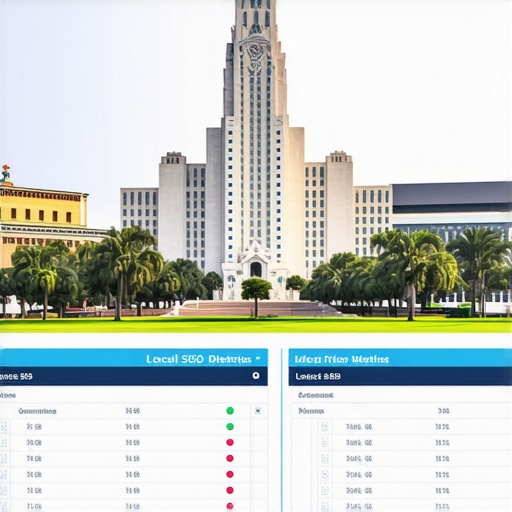 : “Image of a digital dashboard showing local SEO analytics with Baton Rouge landmarks in the background” alt=”Local SEO analytics dashboard with Baton Rouge imagery” title=”Tracking Your Maps Ranking Progress in Baton Rouge”
What I Wish I Knew Before Playing the Local SEO Game in Baton Rouge
One of the most eye-opening lessons I’ve learned is that Google’s algorithms in Baton Rouge are far more sophisticated than simply ranking businesses by reviews or keyword stuffing. I once believed that accumulating reviews was the magic bullet, but experienced firsthand how neglecting proper profile optimization and local content can leave your business invisible. The biggest lightbulb moment came when I realized that local schema markup, citation consistency, and fresh, localized content are the secret ingredients to sustained success. Overestimating the power of superficial tactics like fake reviews or outdated keywords can be a costly mistake that stalls your visibility—so I’ve learned to trust a comprehensive, nuanced approach over shortcuts.
Another insight that transformed my approach was understanding how emerging AI search shifts favor real-time engagement and structured data. You can’t afford to ignore the subtle signals Google values today—like schema markup or optimized local citations—that directly influence your Maps rankings in Baton Rouge. My advice? Constantly audit your profile, stay updated on algorithm changes, and dive deep into your local community to generate authentic, relevant content that resonates with Baton Rouge residents. By embracing this layered strategy, I found my Maps rankings improved dramatically. Are you focusing enough on these less obvious but powerful ranking signals? Share your experience below!
My Toolbox for Baton Rouge Local SEO Triumphs and Traps
One resource I rely on daily is Baton Rouge Local SEO’s comprehensive guides. Their detailed, actionable tips cut through the noise and have helped me avoid common pitfalls. Tools like BrightLocal empower me to maintain citation consistency effortlessly, while Google’s Structured Data Markup Helper enables me to implement schema that makes my listings pop in local searches. For social proof, I turn to reviews from platforms integrated with my reputation management system, ensuring I never miss an opportunity to respond authentically. These tools have become core to my routine, saving time and delivering real results. Do you have a trusted set of tools that keep your Baton Rouge Maps rankings steady? I’d love to hear about them!
Remember, Your Next Move Shapes Your Future in Baton Rouge
Local SEO isn’t a one-and-done effort—it’s an ongoing journey that rewards consistency, authenticity, and strategic adaptation. If you’re committed to climbing the Baton Rouge Maps pack or maintaining your hard-earned position, start integrating these lessons today. Focus on structuring your data, engaging your community with relevant content, and auditing your profile regularly. The more effort you invest now, the more sustainable your success will be. Don’t wait for algorithm updates to catch you off guard—be proactive, stay informed, and watch your business thrive in the local landscape. Ready to take that next step? Your future in Baton Rouge’s local search results depends on it!
What’s the most surprising thing you’ve learned about local SEO in Baton Rouge? Drop your insights or questions below—I’m here to help you succeed!
![4 Louisiana Local SEO Factors Ranking Without Backlinks [2026]](https://batonrougelocalseo.com/wp-content/uploads/2026/03/4-Louisiana-Local-SEO-Factors-Ranking-Without-Backlinks-2026.jpeg)