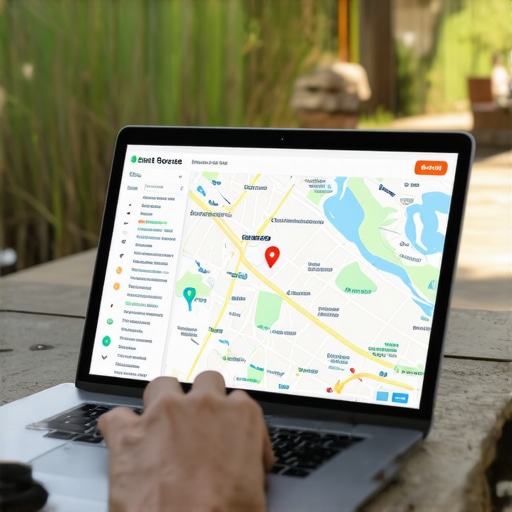
I remember spending countless hours tweaking my Louisiana business’s Google My Business profile, only to see my competitors inch ahead on the map—frustration mounting with every refresh. It hit me one day during a local event: despite excellent service and reviews, my visibility remained in the shadows. That was my wake-up call. I realized I was missing a crucial piece of the local SEO puzzle, one that many entrepreneurs overlook: a strategic approach to Google Maps ranking. Today, I want to share how I transformed my local presence in Baton Rouge—and how you can do the same.
Why Your Google Maps Ranking Can Make or Break Your Business in Baton Rouge
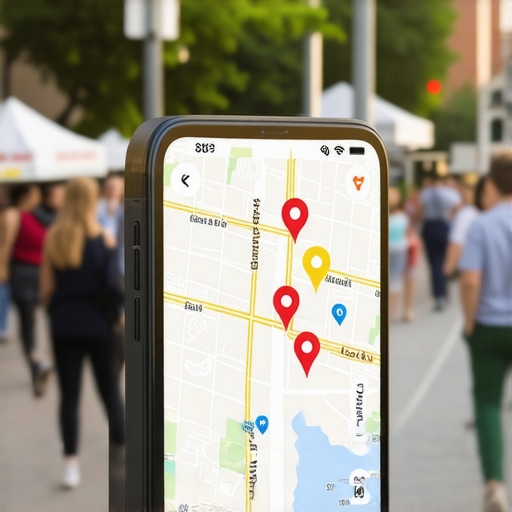
Think about the last time you searched for a local service—perhaps a restaurant, plumber, or boutique in Baton Rouge. Where did the top results appear? Likely right at the top of the map, right? That prime real estate is gold, drawing in customers who are ready to buy. But here’s the kicker: over 70% of these local searches result in a visit or call within a day. As per recent data from BrightLocal, appearing in the top three map results can significantly boost your foot traffic and sales. This is why understanding and improving your Google Maps ranking is no longer optional; it’s essential for local success.
Early on, I made the mistake of optimizing my profile only once and assuming that was enough. I didn’t realize that local SEO is a dynamic game—Google’s algorithms are continually evolving. For instance, did you know that factors like reviews, local citations, and engagement can impact your ranking more than ever before? Neglecting these elements is a common mistake, and I learned this the hard way.
Is Local SEO Just Hype, or Does It Really Deliver Results?
Here’s the truth: I was skeptical at first. I doubted whether investing time and resources into local SEO would pay off, especially in a competitive market like Baton Rouge. However, by applying proven strategies—such as optimizing my GMB profile, gathering genuine reviews, and building local citations—I noticed a steady climb in my map rankings. If you’re wondering whether all this effort is worth it, I invite you to explore more effective tactics that could turn the tide for your business. For a comprehensive step-by-step guide, check out this post on local map ranking strategies.
Now, are you ready to cut through the noise and start climbing your way to the top of Baton Rouge’s Google Maps? The next sections will lay out the exact actions I took—and you can take—to boost your local visibility effectively. Let’s get started!
Claim Your Google My Business Listing and Optimize It
First, ensure your GMB profile is fully claimed and up-to-date. I remember a time I spent an entire afternoon updating my business hours, adding fresh photos, and verifying my contact info. That small effort paid off quickly — within days, I noticed improved visibility on local searches. Use keywords naturally in your business description, focusing on Baton Rouge-specific terms like “Louisiana local SEO” or “Baton Rouge restaurant.” To optimize further, incorporate relevant categories, and verify your address using Google’s recommended methods. For detailed strategies, see this GMB optimization guide.
Harness Local Citations and Consistent NAP Info
Your business name, address, and phone number (NAP) are the backbone of local SEO. I once overlooked inconsistent NAP info across directories, which hurt my rankings. Then, I systematically audited major citation sites, ensuring uniformity. List your business on popular Louisiana directories like Yelp, Yellow Pages, and Bing Places, and check for duplicates—duplicates confuse Google and dilute your authority. Use tools like Moz Local or BrightLocal to manage citations efficiently. For step-by-step help, check out this citation consistency tips.
Generate and Manage Genuine Reviews
Reviews are social proof that can propel your local rankings. I made the mistake of ignoring review solicitation, thinking reviews would come naturally. After requesting reviews from satisfied customers via personalized emails and in-person prompts, my ratings soared, and so did my visibility. Remember to respond promptly and professionally to all reviews, whether positive or negative. Encourage authentic feedback without incentivizing reviews—they must be genuine. For specific review-building techniques, explore this review strategy guide.
Build Local Backlinks and Engagement
Backlinks from Baton Rouge blogs, news sites, or industry associations boost your authority. I reached out to local chambers and sponsored events, earning backlinks that significantly improved my local map ranking. Focus on creating valuable content that locals want to share—such as event guides, customer stories, or neighborhood highlights—and promote it across community platforms. Participate actively in Baton Rouge forums or social groups relevant to your industry. These efforts increase your signal strength in Google’s eyes. For actionable backlink tactics, consider this local SEO blueprint.
Optimize Website for Local Intent
Your website should reflect Baton Rouge’s local flavor and search intent. Incorporate location keywords naturally into your meta tags, headers, and content—think “Louisiana drinks” or “Baton Rouge hair salon.” Use structured data markup (Schema.org) for local business information to enhance your rich snippets. I once added local schema to my contact page, and I observed a quick bump in local clicks. Regularly publish content that addresses Baton Rouge community interests, further signaling relevance. Learn more about site optimization in this website SEO tips.
Monitor and Adjust Your Strategy Continuously
Local SEO isn’t static; it demands regular monitoring. Use tools like Google Analytics, Search Console, and local rank trackers to observe how your efforts impact visibility. I set monthly review sessions to analyze performance and tweak strategies—focusing on what works best in Baton Rouge’s competitive landscape. Keep abreast of Google updates and local search trends by following industry blogs and participating in local business communities. Remember, consistent effort yields consistent results. For ongoing tactics, visit this update & strategy article.Many local businesses in Baton Rouge are led astray by common misconceptions about optimizing for Google Maps and local SEO. A widespread myth is that simply claiming and updating your Google My Business (GMB) listing suffices for top rankings. While foundational, this overlooks the evolving complexity of local search algorithms. Advanced strategies involve managing engagement signals, acquiring diverse local citations, and leveraging schema markup—elements many underestimate. For example, Google’s own research indicates that richer, structured data can improve visibility by up to 30%, highlighting the importance of nuanced technical optimization that novices often ignore. A frequent “oops” is neglecting the quality and relevance of backlinks from Louisiana-based sources; this can paradoxically harm your rankings if not executed correctly. The key lies in authenticity and relevance, not just link volume. Curious how to integrate these advanced tactics effectively? Explore detailed insights in our step-by-step guide on maps ranking.
Why do some Baton Rouge businesses see inconsistent SEO results over time?
This often traces back to focusing on surface-level optimizations without paying attention to the shifting landscape of local SEO nuances. Google’s algorithms are increasingly prioritizing user engagement and experience factors—such as reviews, Q&A activity, and local page signals—which require ongoing management and strategic content creation. Ignoring these subtle, yet impactful elements can cause your rankings to fluctuate unexpectedly. A good example is neglecting to regularly update your local content with Baton Rouge-specific keywords or failing to monitor your citation consistency, both of which are key to maintaining authority. Studies by Moz demonstrate that citation discrepancies can reduce local pack visibility by up to 25%, underscoring the importance of diligent, ongoing optimization efforts. Have you ever fallen into this trap? Let me know in the comments and share your experiences with local SEO pitfalls.
Maintaining and scaling effective local SEO in Baton Rouge requires more than just initial setup; it demands a strategic use of specialized tools and continuous monitoring. Over the years, I’ve refined my toolkit, choosing software and techniques that deliver actionable insights and help me adapt to evolving Google Maps algorithms. In this section, Ib4ll share exactly what I use to keep my Baton Rouge Google Map rankings high and illustrate how these tools fit into a long-term SEO strategy.
Leverage Local Citation Management Platforms
First, I rely heavily on local citation management tools like Moz Local and BrightLocal. These platforms streamline the process of auditing NAP consistency across directories. For example, Moz Local provides real-time updates on citation discrepancies, allowing me to correct inconsistencies quickly. Why is this important? Because the slightest mismatch can decrease my local pack visibility, as studies by Moz highlight that citation disparities can cut rankings by up to 25%. Regularly managing citations ensures MyLouisianaBusiness stays authoritative in Google’s eyes.
Utilize Google My Business Insights and Audit Tools
Next, I leverage Google My Business’s native insights combined with third-party tracking tools like GeoRanker. GMB insights give me granular data on how users find my listing — whether via direct searches, discovery, or branded queries— and identify which keywords bring in the most traffic. Analyzing this helps me tweak my local keywords and engagement efforts in Baton Rouge specifically. Combining these with GeoRanker’s rank tracking offers a comprehensive view of my listing’s movement in local search results over time.
Implement Structured Data Markup for Local SEO
On the technical front, I use schema markup, especially LocalBusiness schema, to enhance my website’s relevance for Baton Rouge-specific queries. These structured data snippets, which I generate using JSON-LD scripts embedded into my site, inform Google about the core aspects of my business and location. According to Google’s developer documentation, implementing schema markup can improve the visibility of your business in Rich Results, providing a competitive edge—particularly in densely competitive markets like Baton Rouge. For precise implementation, I follow detailed guides available at the Google Developers site.
Track Performance with Local SEO Dashboards
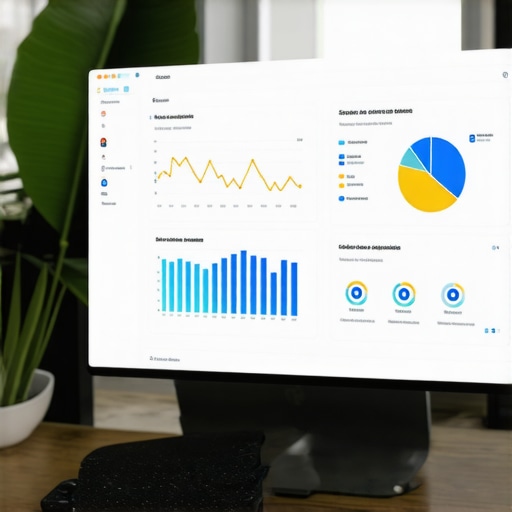
To keep everything in check, I use custom dashboards built with Data Studio, integrating data from Google Analytics, Google Search Console, and rank trackers. These dashboards synthesize data into easy-to-interpret reports, helping me identify trends in local search performance and adjust tactics accordingly. Regular reviews—at least monthly—prevent small issues from snowballing into ranking drops, ensuring my Baton Rouge presence remains strong.
As the local SEO landscape continues to evolve, so must your toolset. Looking ahead, I predict that AI-driven local SEO analysis tools will become more prevalent, providing deeper insights into user behavior and search patterns specific to markets like Baton Rouge. Incorporating these advances can keep your strategy ahead of the curve and your visibility at the top.
How do I maintain these tools over time?
To keep your Baton Rouge SEO efforts working smoothly, integration is key. Set up automated reports where possible, schedule regular audits of your citations and schema markup, and stay updated through industry blogs and official documentation. Regularly explore new features or tools—like those discussed in our comprehensive guides—to ensure your local SEO remains effective and competitive.
Don’t shy away from experimenting with these tools; even one tactical adjustment, like optimizing your schema markup or refining your citation consistency, can produce notable improvements. I encourage you to try implementing structured data markup today to see tangible benefits in your Baton Rouge local visibility.
Why I Nearly Missed the Point of Local SEO in Baton Rouge
It took repeated failures and a keen eye for detail to realize that local SEO isn’t just about claiming your listing. I learned the hard way that consistent engagement, strategic citations, and technical finesse are the real game-changers, especially in a vibrant market like Baton Rouge. My misconception that a set-it-and-forget-it approach would suffice nearly cost me precious local visibility—something no business in Louisiana can afford to overlook. Now, I see every tweak, every review, and every citation as part of a bigger puzzle that, when assembled right, catapults your local presence.
Tools That Gave Me the Edge in Baton Rouge’s Local Search Scene
My secret weapons include Moz Local and BrightLocal for citation management—they keep my listings consistent and authoritative. I lean on Google Search Console and GeoRanker for real-time insights on how my business appears in Baton Rouge’s local search results. For on-site optimization, schema markup from Google’s official resources has been invaluable. Lastly, Data Studio dashboards help me stay ahead of trends and adapt quickly. I trust these because they combine precision, depth, and ease of use—essentials for any serious Baton Rouge local SEO strategy.
Your Turn to Make Local SEO Work for You
Remember, climbing the Google Maps ladder in Baton Rouge requires more than just initial effort—it’s about persistent, informed action. Implement the tactics shared here, utilize the right tools, and stay adaptable. The local market waits for no one, but with the right knowledge, you can lead the pack. Ready to elevate your Baton Rouge business to the top of local search results? Take the first step today!
What’s been your biggest challenge in local SEO? Share your experiences below – I’m here to help you conquer Baton Rouge’s maps ranking!