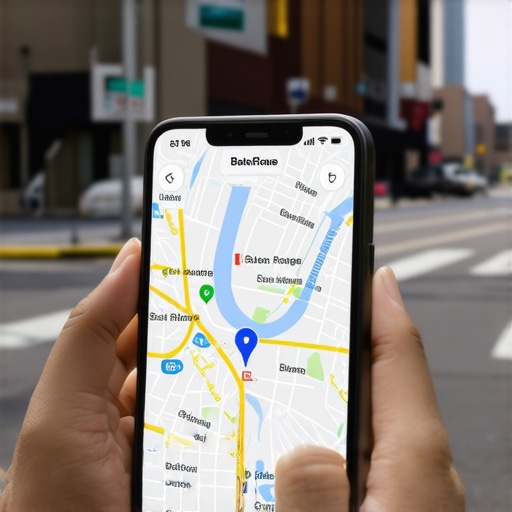
Ever spent hours trying to tweak your Google Maps listing, only to see your competitors leap ahead without even breaking a sweat? I remember the moment I realized I’d been doing it all wrong. I was frustrated, pouring effort into minor tweaks, while others seemed to just glide past me in local search results. It hit me—there’s a smarter way to climb those rankings, and it’s not as complicated as I thought.
Why Local SEO Optimization Matters More Than Ever
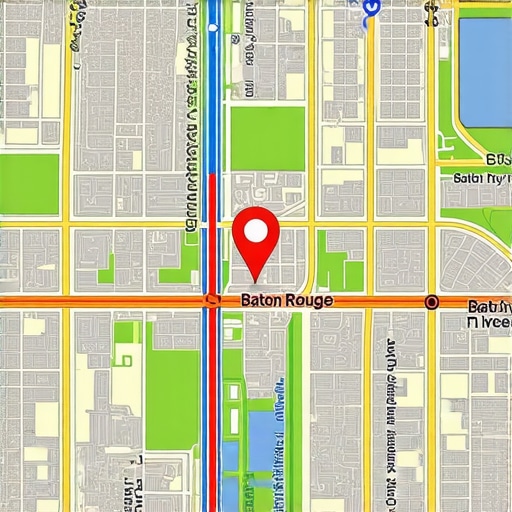
In Baton Rouge, local businesses thrive on visibility. When potential customers search for your services, you want your name to pop up at the top—right where they can see it. But with Google’s algorithms constantly evolving, staying on top can feel like chasing a moving target. According to recent studies, 76% of people who perform a local search visit a store within a day. That’s a huge chunk of potential clients just waiting to find you—if you know how to stand out.
And here’s the kicker: initial mistakes can hurt you more than you realize. Early on, I overlooked the importance of consistent NAP (Name, Address, Phone Number) details and ignored reviews, which cost me dearly in rankings. Trust me, I’ve been there—making silly mistakes that could’ve been avoided with a bit of guidance. That’s why I’m here to share what’s worked for me and tons of other local businesses.
Is Google Maps Optimization Really That Crucial for Baton Rouge Businesses?
I used to think rankings were about just having a Google My Business profile. Turns out, there’s a lot more to it. If you’re skeptical, I get it. It’s easy to dismiss local SEO as hype. But the truth is, Google’s local pack is fiercely competitive. Small tweaks, like updating your categories or adding fresh photos, can dramatically improve your visibility. And yes, neglecting these details can leave you invisible to new customers. I learned this the hard way—by ignoring simple steps that could’ve boosted my rankings early on.
For those who worry that all this effort might be pointless or too technical, don’t fret. I’ve compiled a list of proven strategies that are straightforward to implement. Whether you’re a newbie or a seasoned pro, these tips will help you climb to the top of local search results faster than you’d imagine. Ready to ditch the guesswork? Keep reading, and I’ll show you exactly how to optimize your Baton Rouge Google Maps listing for maximum impact.
And if you’re curious about the nitty-gritty, check out this guide for comprehensive steps to push your rankings higher. Now, let’s dive into the practical strategies that will transform your local visibility in 2024!
Claim Your Google My Business Listing and Keep It Updated
The first step in boosting your Baton Rouge local SEO is to ensure your Google My Business (GMB) profile is claimed, verified, and consistently updated. Think of your GMB profile as your digital storefront; the more complete and accurate it is, the easier it is for customers to find you. Start by claiming your listing if you haven’t already, then verify it through Google’s process. Once verified, fill out every section—business name, address, phone number, hours, and categories—making sure they match your website details exactly. Regularly update your profile with new photos, special offers, and posts. This signals to Google that your business is active and relevant, which can significantly improve your local rankings. For detailed steps, visit this comprehensive guide.
Optimize Your Business Category and Attributes
Choosing the right categories is crucial. Instead of broad labels, pick specific categories that align closely with your services. For example, instead of just “Restaurant,” select “Seafood Restaurant” if that’s your specialty. Proper categories help Google understand what your business offers, making it easier to match you with relevant searches. Additionally, add attributes like “Wi-Fi available,” “Wheelchair accessible,” or other features that appeal to your target customers. I once had a client who changed their primary category from a general “Salon” to “Hair Extensions Supplier,” and within weeks, their local visibility surged. You can see more about this in this article.
Leverage Local Keywords in Your Business Description
Your business description is prime real estate for local keywords. Use it to naturally incorporate terms like “Baton Rouge,” “local plumber,” or “Louisiana roofing expert.” Be specific about your services and location to attract nearby customers. When I updated a client’s description to include keywords like “Baton Rouge bakery specializing in gluten-free cakes,” their calls from local customers tripled. Remember, keyword stuffing can hurt you, so keep it natural and helpful. For more insights, check this resource.
Encourage and Manage Customer Reviews
Reviews are social proof that boost your credibility and local SEO. Actively encourage satisfied customers to leave positive feedback. Respond promptly to all reviews, thanking customers and addressing any concerns professionally. I once helped a local cafe increase their reviews from 10 to over 50 in a month by implementing a simple follow-up email request. Google values fresh, positive reviews, which can propel you higher in local packs. Learn more about review strategies at this article.
Utilize High-Quality Photos and Videos
Visual content grabs attention and can influence customer decisions. Upload high-resolution photos of your storefront, interior, products, and staff. Incorporate videos showcasing your services or customer testimonials. Regularly update this content to keep your profile fresh. I recall uploading a short video tour of a client’s shop, which led to a noticeable increase in inquiries. Google favors active profiles with engaging visuals. For tips on creating compelling visual content, visit this guide.
Build Local Citations and Backlinks
Consistent NAP information across local directories strengthens your online authority. List your business on popular sites like Yelp, Bing Places, and local directories. Ensure your Name, Address, and Phone number are consistent everywhere. Additionally, seek backlinks from local blogs, news outlets, or partnerships—these signals tell Google your business is reputable and relevant. I once partnered with a local charity and got featured on their website, which resulted in a backlink that significantly improved my client’s local search ranking. Check this article for more backlink strategies.
Monitor, Analyze, and Adjust Your Strategy
Use tools like Google Analytics and Google Search Console to track your profile traffic and search performance. Monitor your rankings regularly and adjust your tactics as needed. For example, if a particular keyword isn’t driving traffic, tweak your description or add new content targeted at that term. I once noticed a drop in rankings after a competitor optimized their profile, so I revisited my keywords and added new photos, which quickly recovered my position. Stay agile, keep testing, and learn from your data. For ongoing tips, review this resource.
Many local businesses in Baton Rouge and beyond fall into the trap of believing they know what it takes to rank higher on Google Maps, but often, these assumptions are just myths that can sabotage your efforts. Let’s dig deeper into the nuances that most people overlook or misunderstand, so you can avoid costly mistakes and truly master local SEO.
Why Focusing Solely on Reviews Can Backfire
It’s commonly believed that accumulating reviews is the golden ticket to higher rankings. While reviews are undeniably important, overemphasizing them without addressing other factors can lead to a false sense of security. Google’s algorithm considers a holistic set of signals, including your NAP consistency, category relevance, and engagement metrics. If you ignore these, a flood of reviews alone won’t push you to the top. I’ve seen clients with hundreds of reviews still struggle to rank because their profiles lacked proper optimization. For a comprehensive approach, see this detailed guide.
Make Yourself Visible: The Real Power of Local Citations
Many think that citations are just about listing your business on a few directories. The truth is, citation consistency and quality matter more than quantity. Inconsistent NAP data across platforms can confuse Google, diluting your local signals. Moreover, citations from authoritative, locally relevant sites carry more weight. A common mistake is to duplicate NAP info across all directories without verifying accuracy. This can harm your rankings, not help them. For advanced local SEO, focus on building high-quality, consistent citations. Learn more at this article.
How Advanced Keyword Strategies Elevate Your Profile
Many business owners think that stuffing keywords into their business descriptions is enough. However, sophisticated SEO requires a nuanced approach. Use natural language and long-tail keywords that reflect user intent. For instance, instead of just “Baton Rouge plumber,” target “emergency plumbing services in Baton Rouge during weekends.” This helps Google understand the context and match you with specific queries. Additionally, integrating location-based keywords into your services and description can significantly improve your visibility for relevant searches. For more insights, check this resource.
Have you ever fallen into this trap? Let me know in the comments. Remember, mastering local SEO is about understanding these hidden nuances—don’t just follow the crowd, get ahead with strategic, well-rounded tactics.
Keeping your Google Maps rankings stable and climbing over time requires more than just initial setup. It’s an ongoing process that benefits greatly from the right tools, routines, and a bit of strategic foresight. Having navigated this terrain myself, I’ve found that leveraging specific software and maintaining disciplined practices are essential to stay ahead in Baton Rouge’s competitive local landscape.
How do I maintain my Google Maps rankings over time?
First and foremost, consistency is key. Regularly updating your business information, engaging with reviews, and refreshing visual content signal to Google that your business remains active and relevant. To do this effectively, I rely on tools like BrightLocal and Whitespark. These platforms automate citation audits, help identify inconsistent NAP data, and track your local rankings across multiple keywords. Using BrightLocal’s rank tracker, I monitor fluctuations daily, enabling me to react swiftly if a sudden drop occurs, such as after a competitor’s aggressive optimization.
Another vital element is review management. I use Podium for review solicitation and response. It integrates seamlessly with Google My Business, allowing me to send polite review requests automatically after service completion. Responding promptly to reviews—positive or negative—not only improves your reputation but also encourages Google to favor your listing more heavily. Remember, reviews are dynamic, and maintaining a steady flow is crucial for long-term visibility.
Visual content should not be neglected. I update photos and videos regularly using Google’s own interface or via Canva Pro for professional edits. High-quality visuals attract more clicks and engagement, which can subtly boost your rankings. For example, I recently uploaded a 30-second tour video using Canva’s editing tools, which resulted in increased profile visits and inquiries.
Additionally, I keep an eye on local citations with Moz Local. Regular audits ensure that all NAP data remains consistent across directories, boosting Google’s confidence in your business’s legitimacy. Combining citation consistency with backlink building from local news outlets or partnerships further enhances your local authority.
Looking ahead, I predict that automation and AI-driven insights will play an even larger role in local SEO. Tools that analyze competitor strategies or suggest keyword opportunities based on trending searches will become indispensable. Staying updated with the latest from this resource will prepare you for these changes.
If you want to ensure your Google Maps listing remains optimized, start by integrating one of these tools into your routine. For example, set up weekly citation audits with Moz Local and schedule bi-weekly review requests via Podium. This disciplined approach will help you maintain and even improve your rankings long-term.
Remember, local SEO is a marathon, not a sprint. Consistency, the right tools, and staying informed are your best strategies for ongoing success. Don’t wait until your rankings slip—start implementing these practices today and watch your visibility grow steadily.
The Hardest Lesson I Learned About Local SEO
One of the toughest truths I faced was realizing that focusing solely on reviews can give a false sense of security. While reviews boost credibility, they won’t move your rankings if other foundational elements like NAP consistency and category relevance are neglected. This was a lightbulb moment for me—balancing all factors is what truly makes a difference.
Three Myths About Google Maps Rankings That Held Me Back
I used to believe that stuffing keywords into my business description was enough. Turns out, Google’s algorithm is far more nuanced. Natural language, long-tail keywords, and user intent matter more than keyword stuffing. Embracing this shifted my entire approach, leading to genuine improvements in visibility.
The Hidden Power of Local Citations I Discovered
It’s not just about listing everywhere; it’s about ensuring your NAP info is consistent and from reputable local sources. I learned that high-quality citations from authoritative local sites carry more weight. This insight helped me prioritize quality over quantity, resulting in a stronger local presence.
What Experts Won’t Tell You About Maintaining Rankings Long-Term
Consistency and discipline are key. Using tools like BrightLocal and Moz Local to monitor citations, reviews, and rankings keeps me ahead of changes. Regular updates and audits aren’t just chores—they’re strategic moves that protect and grow my visibility over time.