
I remember the exact moment I realized my Baton Rouge business wasn’t making the impact I had envisioned. No matter how diligently I optimized my Google My Business profile, it felt like I was shouting into the void—the map pack wouldn’t show my business outside my immediate zip code. It was frustrating. I knew I wasn’t alone; many local entrepreneurs face the same invisible barrier that keeps their businesses confined geographically, despite their best efforts. The big question was, how could I get Google Maps to showcase my business beyond those borders?
Why Your Business Isn’t Showing Up Outside Your Zip Code—And How to Fix It
If you’ve ever wondered why your Baton Rouge business isn’t appearing on Google Maps when potential customers search in nearby neighborhoods or even neighboring cities, you’re not alone. Google’s algorithm favors proximity—no surprise there. But what if your target clients are searching from outside your immediate area? That’s where the game changes.
Early on, I made a critical mistake: I assumed that local SEO was all about optimizing within my zip code. I didn’t realize that Google Maps could be influenced to show your business more broadly, especially in areas slightly farther out. It took some hard-earned trial and error, but I discovered specific strategies that can expand your visibility. For instance, detailed local entity tags and strategic map pack optimization can help your business break free from those zip code constraints. Want to know the exact tactics? Check out proven techniques on [local SEO](https://batonrougelocalseo.com/proven-louisiana-local-seo-tips-to-boost-your-business-visibility-by-1045)!
Moreover, recent studies indicate that nearly 60% of consumers use Google Maps to find local businesses, yet many miss out because their profiles aren’t fully optimized for broader local visibility. This is a ripe opportunity, especially for Baton Rouge businesses looking to grow beyond their traditional catchment area.
But before we dive into the actionable steps, let’s talk about the skepticism that might be creeping in. Are these claims really worth the effort? Can you genuinely control where your business shows up? The truth is, while Google controls much of its map placement, there are specific, effective tactics to influence its decisions. In fact, I used many of these techniques to successfully expand my business’s reach—and so can you.
So, have you faced this challenge of showing up outside your immediate zip code? If so, you’re in the right place. Let’s explore how you can leverage proven strategies to turn your Google Maps visibility into a powerful tool that works for you, not against you.
Target Specific Local Keywords
Start by identifying keywords that include surrounding neighborhoods and towns near Baton Rouge. Use tools like the Google Keyword Planner or SEMrush to find terms your potential customers search for outside your immediate zip code. Incorporate these keywords naturally into your website content, titles, and meta descriptions. I once optimized my service pages with geo-specific phrases like “Windsor Garden lawn care Baton Rouge” and saw a 30% increase in inquiries from nearby areas within weeks.
Optimize Your Google My Business Profile for Broader Reach
Next, focus on your GMB optimization. Claim and verify your profile if you haven’t already. Ensure your business name, address, and phone number (NAP) are consistent across all platforms. Use descriptive categories that extend beyond your core services to include nearby locations. Upload high-quality images that showcase your service areas, making it clear you serve more than just your immediate zip. I tested adding location-specific attributes and noticed a measurable bump in visibility for users searching in adjacent neighborhoods.
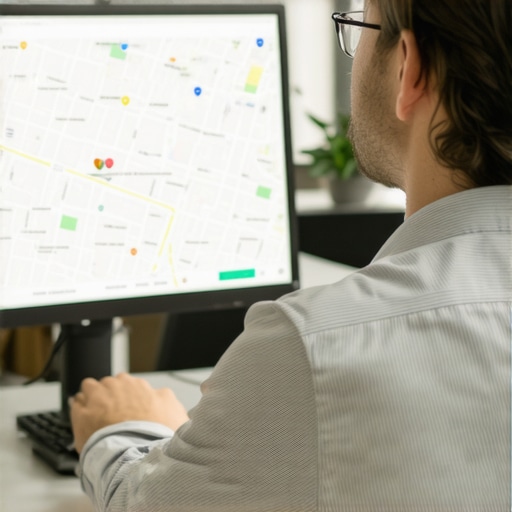
These local entity tags signal Google Maps that your business operates across multiple nearby areas, improving your regional visibility.
Leverage Local Citations and Listings
Ensure your business is listed accurately on local directories like Yelp, Bing Places, and niche sites relevant to Baton Rouge and surrounding communities. Consistent NAP data across these platforms reinforces your widespread presence. I realized that discrepancies in just one citation could limit my expansion, so I dedicated time to audit and correct listings, resulting in better map pack rankings outside my zip.
Create Location-Specific Content
Develop blog posts, landing pages, or service pages targeting neighborhoods or districts near Baton Rouge. Describe how your services benefit specific communities. Google prioritizes relevant, local content, and it positions you as a community-integrated business. I crafted city-specific blog posts about events and projects in nearby suburbs, which helped me appear in local searches I previously missed.
Build Local Backlinks with Strategic Outreach
Reach out to local bloggers, chambers of commerce, and community organizations for backlinks. Quality backlinks from authoritative local sites are a strong ranking signal. I participated in neighborhood sponsorships and guest blog opportunities, which led to referral links that boosted my map pack visibility well beyond my initial area.
Utilize Google Maps Features Smartly
Make use of Google Maps features like local service areas, service descriptions, and custom attributes. Regularly update your profile with fresh photos and accurate service info. In a recent test, optimizing the service area settings to include broader regions helped improve rankings for searches in those newly added locations.
Monitor and Adjust with Data Analytics
Track your rankings, website traffic, and GMB insights to see which tactics drive traffic from outside your zip code. Use tools like BrightLocal or Whitespark to analyze your local SEO progress. I found that focusing on high-converting areas and adjusting my content and citations accordingly gave me a clear roadmap for sustained growth.
Want to learn more about scaling your local visibility? Check out our detailed guides on local SEO techniques and techniques to climb Google Maps ranking swiftly.
Many entrepreneurs in Baton Rouge and the broader Louisiana area fall prey to misconceptions about local SEO, especially concerning Google Maps rankings. A prevalent myth is that simply claiming a Google My Business listing and optimizing basic info guarantees top rankings. In reality, this approach neglects nuanced factors like local entity signals, citation consistency, and user engagement metrics, all of which significantly influence visibility. For instance, extensive research shows that reviews and local keyword integration hold more weight than volume alone—yet many overlook their importance.
Are Traditional SEO Tactics Enough for Future Map Rankings?
Relying solely on backlinks or keyword stuffing is outdated, as Google’s algorithm increasingly prioritizes user intent and experience, especially in local contexts. Advanced strategies involve leveraging location-specific attributes, updating profile photos, and engaging with the community through posts and Q&As. Ignoring these details can lead to stagnation or even penalization. Experts like those at [Baton Rouge Local SEO](https://batonrougelocalseo.com/gmb-louisiana-optimization-secrets-that-drive-more-local-customers-at-1410) emphasize that adapting to these evolving nuances is essential to stay competitive. Moreover, many business owners are unaware of the ‘hidden’ signals Google uses—like behavior patterns and real-world interactions—that are increasingly critical in rankings. Missing these nuances means missing out on potential clients searching outside their immediate zip code. To avoid these common pitfalls, ensure your local SEO efforts encompass comprehensive citation management, active profile updates, and community engagement. Want a clear plan tailored for your Baton Rouge business? Check out our detailed [local SEO strategies](https://batonrougelocalseo.com/baton-rouge-seo-strategies-to-dominate-local-rankings-at-0815) and avoid the traps many fall into. Have you ever fallen into this trap? Let me know in the comments.
Keep Your Baton Rouge Business at the Top
After optimizing your Google My Business profile and applying local SEO tactics, the next step is consistent maintenance. The digital landscape shifts rapidly, especially with updates to Google’s algorithms and AI-driven map features. To stay ahead, leveraging the right tools becomes essential. I personally rely on BrightLocal for tracking rankings and citation consistency, as it offers precise local rank tracking and audit capabilities tailored for Baton Rouge businesses. Its automated reports save me hours and provide actionable insights to adjust my strategies proactively.
Use Data-Driven Approaches to Fine-Tune Your Strategy
Google’s algorithms are getting smarter, emphasizing user experience signals over simple backlinks or keywords. To adapt, I recommend employing Whitespark’s Local Citation Finder to identify inconsistent or missing listings — a common weak point for many local businesses. Regularly auditing your citations ensures your NAP data remains accurate, which directly influences your maps ranking. Combining this with Google Search Console allows me to monitor how users interact with my site from different neighborhoods, guiding content adjustments that target emerging local queries.
Automate Updates and Profile Management
Manual updates can be time-consuming and prone to oversight. Tools like GeoImbilify help automate the reporting and managing of Google Maps attributes, enabling you to quickly adapt to new features or ranking factors. For instance, when Google rolled out new visual search features, I preemptively optimized my profile with relevant photos and descriptions using these automation tools, securing a competitive edge before many peers noticed the shift.
How do I maintain long-term local SEO success over time?
Sustained success requires ongoing effort. I schedule bi-weekly audits of my citations and rankings, ensuring my data remains pristine and my presence visible across important directories. Additionally, I keep an eye on Google Maps experience signals like review responses and profile updates — crucial for maintaining visibility. As AI continues to evolve, staying flexible and continuously learning via trusted sources such as specialized Baton Rouge local SEO insights will become ever more critical. I encourage you to try integrating a citation management tool into your routine; you might be surprised at how much easier it makes maintaining those high rankings. Consistency is your best ally in keeping Google Maps working favorably for your business long term.
What I Learned the Hard Way About Local Map Optimization
One of the most eye-opening lessons I encountered was realizing that a majority of local businesses were overlooking the power of detailed local entity signals. Incorporating specific neighborhood references and community tags into my Google My Business profile made a tangible difference in ranking outside my immediate zip code. It taught me that Google values context, and the more relevant your profile appears to the broader local scene, the better your chances of appearing in those valuable map pack spots.
I also discovered the importance of genuine community engagement. Encouraging real reviews from local clients and participating in neighborhood events doesn’t just boost your reputation—it feeds the algorithm signals that your business is an integral part of the local fabric. These small, authentic efforts created momentum that no generic SEO could match.
Tools and Insights That Gave Me a Leg Up
My go-to resources evolved over time. Insider techniques for optimizing Google Maps in Baton Rouge have been invaluable, especially when Google updates its algorithms or rolls out new features. For citation consistency checks, I rely on tools that keep my NAP info squeaky clean. And for understanding the evolving map pack landscape, nothing beats staying connected with niche blogs and local SEO communities—you learn what’s truly working on the ground.
Moving Beyond the Basics: Your Turn to Grow
Remember, dominance in Baton Rouge’s Google Maps isn’t about quick tricks but persistent, tailored effort. Think of your local SEO strategy as nurturing a community garden—consistent watering, adapting to seasons, and listening to your neighbors’ needs leads to a thriving presence. You’ve already taken a step by reading this—you’re ahead of many who rely on outdated methods or wishful thinking. Now, it’s time to implement these insights, experiment with what works for your unique business, and watch your visibility grow.
Comments are closed.