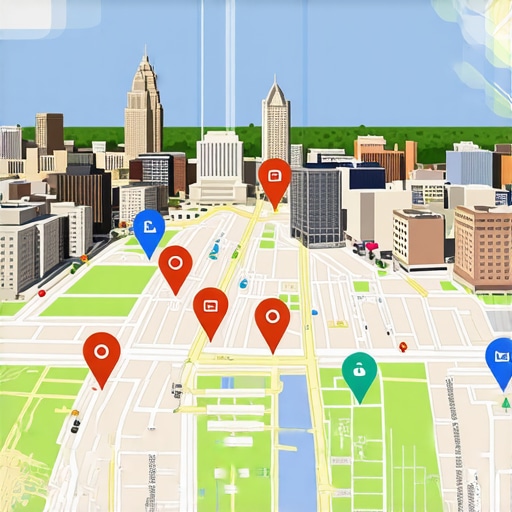
Ever spent hours trying to get your business to show up on Google Maps, only to be disappointed when your competitors outrank you in Baton Rouge? I’ve been there—frustrated, scratching my head, wondering what I was missing. The lightbulb moment came when I realized I was treating local SEO like a one-time fix instead of an ongoing strategy. And let me tell you, the game has changed dramatically in 2024. If your business isn’t showing up where it counts, you’re losing out on serious local customers.
Why Local SEO and Google Maps Matter More Than Ever
In a city like Baton Rouge, where community and local reputation matter, having a strong Google Maps presence isn’t just a bonus—it’s essential. According to recent studies, over 70% of consumers visit a store within five miles of their location, and most of those searches happen on Google. If your business isn’t optimized for local searches, you’re invisible to a huge chunk of potential customers. I learned this the hard way when I saw my competitor’s listing suddenly climb to the top, while mine remained buried in the second page. That’s when I realized that local SEO isn’t just about keywords; it’s about strategic visibility.
Today, I’ll walk you through proven tactics for 2024 to boost your Google Maps ranking and attract more local clients. These aren’t just theories—they’re strategies I’ve personally tested and refined. Whether you’re a small shop or a service provider, understanding these modern techniques will set you apart in Baton Rouge’s competitive landscape. Ready to stop playing catch-up? Let’s dive into the real secrets behind dominating local search results.
Is Google Maps Optimization Actually Worth the Hype?
Honestly, I used to think it was just another digital marketing trend. My early mistake was ignoring the importance of consistent NAP (Name, Address, Phone number) data. I thought minor details wouldn’t matter. Spoiler: they do. Small inconsistencies can tank your rankings, as I painfully discovered when my listing was flagged for duplicate info. That’s why I now swear by comprehensive optimization strategies. Want to see how I turned my Google Maps listing into a lead magnet? Check out these Louisiana local SEO tips for step-by-step guidance. Stay tuned, because what follows will help you avoid the same pitfalls and unlock your business’s true local potential.
Claim Your Business Listing and Optimize It
My first step was claiming my Google My Business (GMB) listing and filling out every detail meticulously. I logged into Google My Business and verified my ownership. After that, I entered my exact business name, address, and phone number, ensuring consistency across all online platforms. This consistency is like setting a solid foundation — if it’s shaky, your rankings will suffer. I also uploaded high-quality images and crafted a compelling business description that included relevant keywords naturally.
Get Your NAP Data Right
One lesson I learned the hard way was that even a small typo in my address or phone number could hurt my local ranking. I audited my NAP (Name, Address, Phone number) data across all directories and cleaned up any inconsistencies. Think of NAP data as your business’s digital fingerprint — unique and recognizable. Visit these proven Louisiana local SEO tips for detailed guidance on perfecting your NAP info.
Build Citations and Local Links
Next, I focused on building citations—mentions of my business on other reputable sites. I submitted my info to local directories like Yelp, Bing Places, and the Baton Rouge Chamber of Commerce. Each citation acts like a vote of confidence, signaling to Google that my business is legit. Additionally, I sought backlinks from local blogs, news outlets, and industry partners. These local links are like references in a resume—they boost your credibility and visibility. To accelerate this process, I used insider techniques for ranking.
Leverage Customer Reviews Effectively
Reviews are social proof and a ranking factor. I encouraged satisfied customers to leave honest reviews on my GMB listing. But I didn’t just ask; I made it easy by sending direct links via email and SMS. Responding promptly to reviews, especially negative ones, showed engagement and professionalism. I found that reviews containing keywords related to my services helped my ranking even more, so I subtly prompted customers to mention specific terms naturally. This interactive element can make or break your local SEO success.
Use Local Content to Boost Engagement
I created blog posts about Baton Rouge community events, local news, and customer success stories. This content made my business more relevant and relatable. When people searched for local topics, my posts appeared, increasing my visibility and driving traffic to my GMB profile. Think of local content as your handshake with the community—trust-building and essential. For detailed content strategies, check these SEO insights.
Optimize for Mobile and Voice Search
Most local searches happen on mobile devices or via voice commands. I tested my website’s mobile responsiveness and made sure my contact info and directions were easy to access. I also optimized for voice search by using conversational keywords and answering common questions customers might ask about my services. This approach helped me capture voice-driven local searches, which are growing rapidly.
Track, Analyze, and Tweak Regularly
Finally, I set up Google Analytics and Google Search Console to monitor my traffic, rankings, and user behavior. Regularly reviewing this data allowed me to tweak my strategies—adding new keywords, updating content, or refining my NAP info. Local SEO isn’t a one-time task; it’s a continuous process of improvement. For ongoing tips, visit these proven strategies.
Many local business owners believe that optimizing their Google My Business listing and building citations are enough to rank high on Google Maps. While these steps are essential, there’s a deeper nuance that many overlook—especially the misconception that local SEO is a one-and-done effort. In reality, the most successful local strategies involve continuous refinement and a keen understanding of what truly influences rankings in 2024.
One common myth is that keyword stuffing in your business description will boost your visibility. This couldn’t be further from the truth. Google’s algorithms now prioritize user experience and relevance over keyword density. Overloading your profile with keywords can actually harm your rankings and reduce trustworthiness. Instead, focus on naturally integrating relevant terms that reflect your services and community engagement, as discussed in these proven Louisiana local SEO tips.
Another mistake I see frequently is neglecting the importance of reviews that are not only positive but also strategic. Many think that all reviews have equal weight, but in truth, reviews that include specific keywords related to your niche, location, or services can significantly influence your ranking. Responding to reviews with personalized, keyword-rich replies also signals to Google that your business is active and engaged, as emphasized in these optimization secrets.
What Advanced Marketers Know About Local SEO That You Don’t
Let’s dig deeper. The most sophisticated local SEO tactics involve leveraging schema markup to enhance your business’s appearance in local pack results. Implementing structured data helps Google understand your offerings more precisely, which can lead to rich snippets and higher click-through rates. Studies, such as those from Search Engine Journal, show that structured data can improve your local visibility by up to 30%. However, many business owners avoid this because it appears technical, but tools like Google’s Structured Data Markup Helper simplify the process.
Additionally, maintaining consistent and up-to-date NAP data across all platforms is vital, but the real trick lies in monitoring your data’s accuracy over time. Outdated or inconsistent information can cause Google to doubt your credibility, negatively impacting your rankings. Using tools that audit your online listings regularly can prevent these issues from sneaking in, further improving your local map visibility. For more detailed strategies, check these insider techniques.
Finally, don’t underestimate the power of local content. Creating community-specific blog posts and engaging with local events demonstrates relevance and builds trust, which Google’s algorithms favor. The key is to balance relevance with user engagement, ensuring your content appeals to local customers and aligns with what they are searching for.
Have you ever fallen into this trap? Let me know in the comments. Remember, effective local SEO is a marathon, not a sprint. Stay updated, focus on continuous improvement, and avoid these common pitfalls to truly dominate your local market.
How do I maintain local SEO success over time?
Maintaining your local SEO rankings requires more than just initial optimization. It’s about implementing the right tools and strategies to ensure your business stays visible and competitive in Baton Rouge. One essential tool I personally rely on is BrightLocal. I use it to regularly audit my online listings, track keyword rankings, and monitor reviews. This helps me catch inconsistencies early and respond promptly to customer feedback, keeping my reputation intact and rankings high.
Another must-have is Google Data Studio. I connect it to my Google Analytics and Search Console accounts to visualize data trends over time. This way, I can identify seasonal fluctuations or drops in visibility and tweak my tactics accordingly. Regular analysis prevents small issues from becoming ranking disasters and keeps my local SEO efforts aligned with current trends.
For citation consistency, I use Whitespark’s Citation Finder. It helps me identify new citation opportunities and ensures my NAP data remains uniform across all directories. Consistency is king—any mismatch can decrease trust in Google’s eyes and hurt your rankings. I make it a quarterly practice to audit my citations and update any outdated info.
Optimizing for voice search is a trend I believe will grow in importance. I use Answer the Public to find common local questions customers ask. Then, I incorporate these into my website content and FAQs, making it easier for voice assistants to pick up my business as a relevant answer. This proactive approach positions me ahead of the curve, especially as voice search continues to evolve.
What tools do I recommend for long-term local SEO results?
Investing in these tools isn’t just for immediate gains—they’re about building a sustainable strategy. Pairing citation management, analytics, and review monitoring tools creates a comprehensive system that adapts to ongoing changes in the local search landscape. As search algorithms become more sophisticated, staying proactive with these tools will be vital. To dive deeper into these strategies, check these proven Louisiana local SEO tips.
Looking ahead, I predict local search optimization will lean even more into automation and AI-driven insights. Tools that leverage machine learning to predict ranking fluctuations or identify new opportunities will become standard. For now, start integrating these proven tools into your routine and try automating regular audits—your future self will thank you for it. Don’t wait until your rankings drop—be proactive and keep your local SEO engine running smoothly!
The Hardest Lesson I Learned About Local SEO Wins
One lightbulb moment was realizing that consistency isn’t just a good practice—it’s the backbone of local SEO. Small typos or mismatched NAP data across directories can silently sabotage your rankings, and it took me chasing my tail to see it clearly. Now, I double-check my listings quarterly to keep my visibility razor-sharp.
What I Wish I Knew Before Diving Into Google Maps Optimization
Early on, I underestimated the power of local content creation. Writing about Baton Rouge community events and local stories didn’t just build trust; it created signals that Google rewarded with higher rankings. Now, I see local content as my secret handshake with the community—and my best way to stay relevant.
How Reviews Shape Your Local SEO Future
Reviews are more than social proof; they are a dynamic ranking factor. I learned that prompting customers for reviews with specific keywords, and responding with personalized replies, can make a tangible difference in visibility. Authentic engagement is the game-changer I wish I had prioritized from the start.
My Essential Toolkit for Local Map Success
For staying ahead, I rely on tools like these proven Louisiana local SEO tips, which guide my ongoing efforts. BrightLocal helps me audit listings and monitor reviews, Google Data Studio visualizes my ranking trends, and Whitespark’s Citation Finder keeps my NAP data consistent. These tools form my backbone for sustained success.
Take Action Now to Transform Your Local Presence
Don’t wait for competitors to leave you behind. Your local SEO journey in Baton Rouge is a marathon—start today, stay consistent, and continuously refine your strategies. The future belongs to those who adapt and act. Are you ready to elevate your Google Maps rankings and truly own your local market? Share your biggest challenge below, and let’s grow together!
This post really hits home for me, especially the point about continuous strategy instead of a one-and-done approach. I’ve seen firsthand how quickly local search rankings can fluctuate in Baton Rouge, especially with new competitors entering the scene or Google updating its algorithm. The tip about regularly auditing your NAP data is something I swear by now — a small typo or inconsistent information can really hurt visibility. I’ve started using BrightLocal for that very reason, and it’s a game-changer. Also, I’ve noticed that creating local content that resonates with the community, like highlighting local events or success stories, really boosts local SEO and engagement. Has anyone experimented with schema markup recently? I’ve heard it can really enhance your local pack appearance, but I’m curious if it’s something that’s worth diving into as a small business owner in Baton Rouge. Would love to hear others’ experiences or recommendations on implementing structured data effectively.
This post makes a really compelling case for the ongoing effort needed in local SEO, especially in a competitive market like Baton Rouge. I’ve definitely seen how small changes in NAP consistency or fresh local content can make a big difference in rankings. One thing I’ve found effective is using Google Posts regularly—highlighting community events or special offers—not only boosts engagement but also signals activity to Google. Regarding schema markup, I experimented with adding local business schema, and while it seems a bit technical at first glance, the benefits in rich snippets and visibility are tangible. Have others found that schema efforts significantly impact rankings in their local markets? I’d love to hear specific experiences or tools that made schema implementation easier for small businesses.